Key Takeaways
- Real estate taxes and property taxes overlap, but they are not identical in every state.
- Real estate tax always applies to land and permanent structures; property tax can include personal property depending on local rules.
- Some states tax boats, vehicles, or business equipment; others skip personal property entirely for homeowners.
- Smart investors compare tax burdens across states to understand true operating costs.
- mogul’s real estate calculator lets you enter any U.S. address and see modeled expenses, estimated property taxes, and projected returns so you can compare properties with real numbers instead of guesswork.
Disclaimer: The information provided in this guide is for educational purposes only and does not constitute financial, tax, or legal advice. Always consult with a licensed professional before making any financial or investment decisions.
Real estate taxes vs property taxes is not the kind of showdown that earns a movie trailer, but it definitely creates more confusion than it deserves. The terms are often used interchangeably, but they are not the same thing. They show up dressed alike, and then one casually mentions it may be taxing your boat. That is when you realize you have been talking to two very different people.
Real estate taxes apply to land and buildings permanently affixed to it. Property taxes may include those same items plus personal property items, depending on your state and local property rules. When people talk about property, they usually mean the house and the land itself, but certain types of personal property may also be taxed depending on the jurisdiction. Understanding the difference between real estate taxes and property taxes keeps you from staring at your tax bill like it is speaking in riddles. And with modern tools helping property owners decode expenses, navigating property obligations becomes much less intimidating.
What Real Estate Taxes Actually Cover
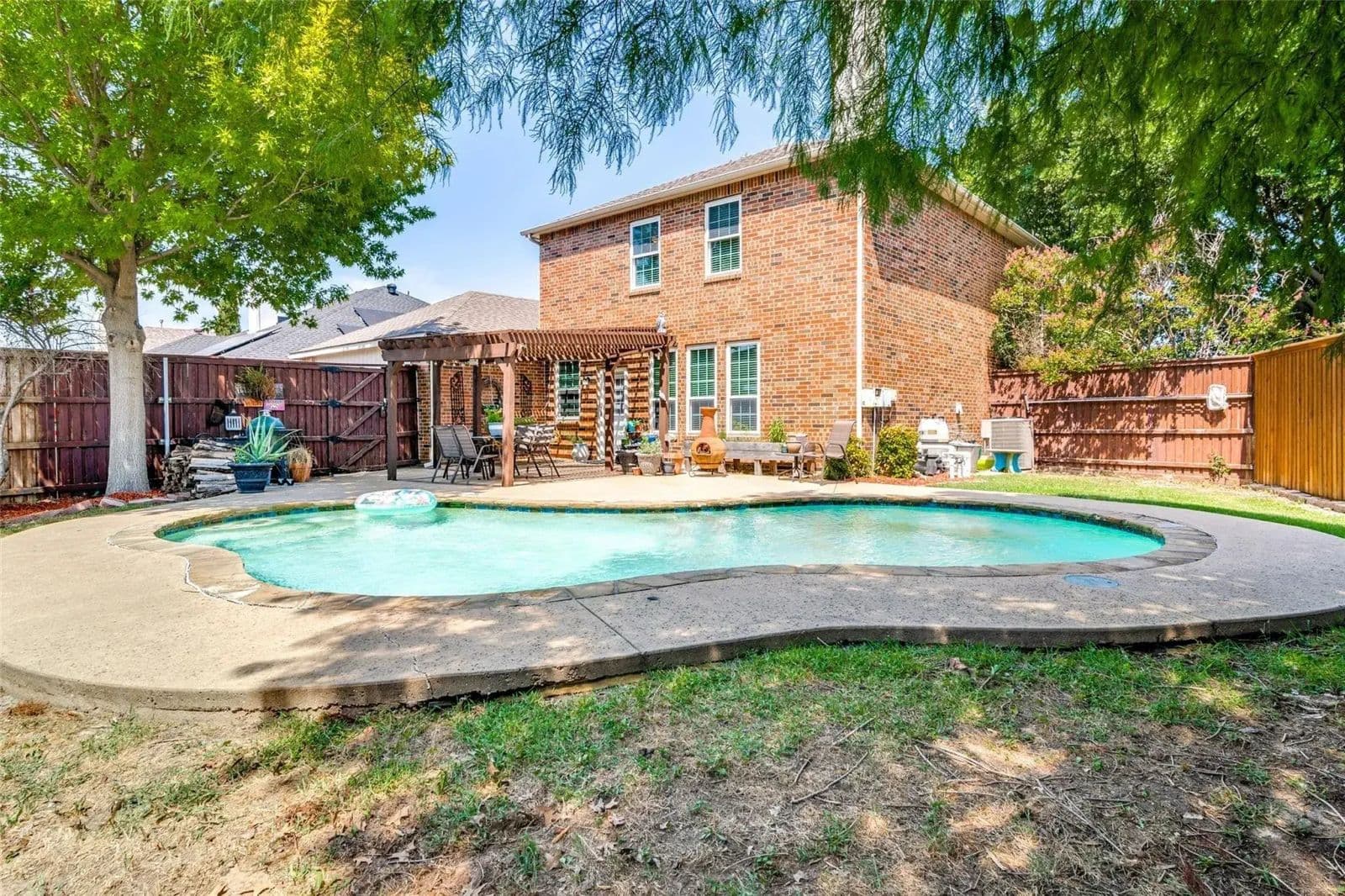
Real estate taxes stick to real property, meaning the land and the structures permanently attached to it. Your house counts. Your garage counts. That in-ground pool you swore you would use more often counts. These taxes refer to immovable assets, anything permanently affixed to land.
Local governments lean on these taxes because they are stable. Houses do not wander off in the night. Cars, boats, and transportation vehicles do. The amount of real estate taxes you pay funds essential services such as:
- Schools
- Roads and transportation
- Emergency services
- Parks and recreation
Assessors review comparable sales, market conditions, and improvements to determine the assessed value. The tax is assessed based on the assessed value and multiplied by the local tax rate to arrive at the levy. It is the municipality's job to arrive at a number that shows up on your tax bill, like a polite reminder that adulthood comes with receipts.
For investors, real estate tax is not just another line item. It directly affects your tax return, your projected operating costs, and your overall performance. Taxes you pay in one county can hit returns differently than taxes paid elsewhere, especially when property tax rate variations kick in.
Tools like mogul’s real estate calculator help you see modeled underwriting instantly. You enter an address and quickly view:
- Estimated real estate taxes
- Cash flow and operating assumptions
- Modeled returns
- How taxes affect your tax position
It is like peeking behind the curtain and realizing the math is not magic; it just needed a stage.
What Property Tax Includes Beyond Real Estate
Property tax takes everything real estate taxes cover and adds a surprise guest list, depending on your state. This is where the difference between real estate taxes and broader property taxes becomes clear. Property taxes apply to land and buildings, but may also apply to items that move. Personal property refers to items such as cars, boats, RVs, furniture, or certain business equipment. Some states tax personal property taxes and tangible assets together, while others avoid it entirely.
When people talk about property taxes, they are usually referring to taxes on your home, but in states where personal property may be taxed, the story changes quickly. You think you finally understand your taxes, only to find out your fishing boat wants to join the conversation with its own bill.
Personal property that may be taxed includes:
- Cars
- Boats and watercraft
- RVs
- Transportation vehicles
- Office machinery
- Certain business equipment
This is where the question of “what’s the difference” between various tax types becomes relevant. Have you ever heard the terms “real estate” and “property tax” used interchangeably? That is because in many states, these terms are often used interchangeably for homeowners. But real property and personal property are different types of property, and personal property taxes may also apply in states that want more flexible revenue. Personal property taxes are assessed differently from real estate taxes, and tax is assessed through depreciation schedules rather than real estate’s fair market value approach.
Comparison tools matter because navigating property obligations across states can feel like switching languages mid-conversation. A platform like mogul, built by former Goldman Sachs real estate executives, helps investors understand how different markets behave, so tax differences feel far less confusing.
Real Estate Taxes vs Property Taxes Explained Clearly
Let us simplify this without turning it into a tax law textbook. Real estate tax covers the type of property that stays put. Property tax may also cover property that moves. Real estate is the main track; property tax might be the deluxe edition.
This is the heart of the question many homeowners ask: “Are real estate taxes the same as property taxes?” The honest answer is no. The terms “real estate tax” and “property tax” behave the same only when a state does not tax personal property for homeowners.
For investors, these differences matter because taxes shape returns. This is especially true when assets are based on the assessed value of real property.
mogul’s underwriting models estimate rental income, expenses, and expected profitability for each property. Investors see modeled returns that include rent, operating costs, and standard property-level taxes (land and structures), providing a clear view of how those costs might affect performance.
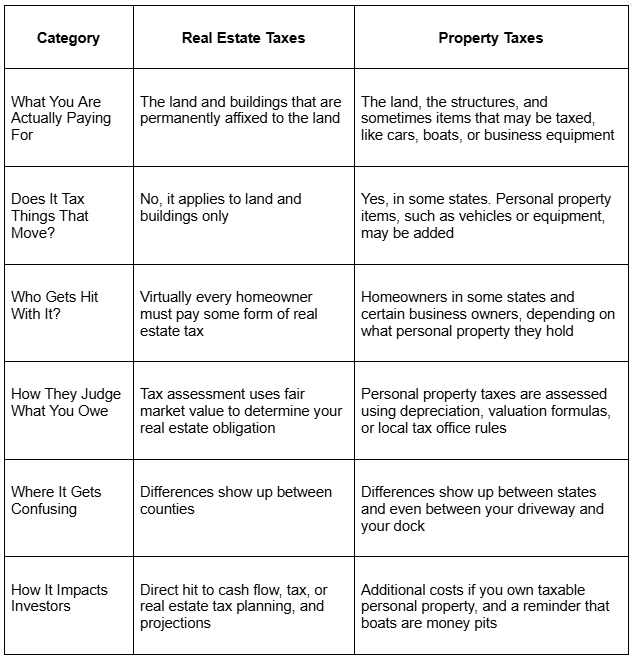
How Real Estate Taxes And Property Taxes Compare
How These Taxes Shape Affordability And Investment Decisions
Taxes are not background noise. They decide whether a property sings or struggles. A home that appears affordable can shift dramatically once real estate taxes are factored in. Property tax or real estate charges influence long-term returns and buyer perception.
For homeowners, understanding taxes helps with budgeting. For investors, taxes decide whether returns stay strong or vanish. Estate taxes are the taxes tied to your immovable property, whereas property taxes include a wider range and may affect your tax calculations beyond your primary residence.
Income tax and inheritance tax also appear on your tax return, but they behave differently from taxes tied to property ownership. Understanding how different taxes refer to different financial responsibilities helps property owners make smarter decisions.
What Property Tax Covers Versus Real Estate Tax
Property taxes cover much more than land and structures in certain states. Real estate tax never does. Personal property taxes and real obligations differ based on your state’s rules, and this affects property owners in unique ways.
Different states take wildly different approaches:
- Some tax boats
- Some tax cars
- Some tax business equipment
- Some exempt personal property for individuals
- Some tax everything with wheels
- Some tax nothing with wheels
This is where the two stop pretending to be twins. Property tax can tag your car, your boat, or your business gear. Real estate tax sticks to land and buildings that do not move.
Why States Use These Taxes Differently
States mix taxes based on revenue needs, political strategies, and economic incentives. State and local governments choose whether personal property may be taxed. Real estate provides a steady base, while personal property creates flexibility.
A mobile home might fall under real estate tax in one location and personal property tax in another. New Jersey handles taxes differently from Hawaii, and each jurisdiction leaves its own fingerprint.
Investors compare locations carefully because taxes can improve or hurt an asset’s performance. Navigating property taxes across states becomes simpler when tools model everything for you.
Why Real Estate And Personal Property Are Taxed At Different Rates
Real estate taxes are based on the assessed value of land and buildings. Personal property taxes are assessed differently, often using depreciation tables. Real estate follows fair market value, whereas property taxes on movable items follow formulas that account for age and wear.
Common differences include:
- Different valuation formulas
- Different exemptions
- Tangible and movable personal property is being taxed separately
- Different types of property are treated differently at the local level
Personal property taxes may also appear on your tax return if you itemize deductions, though limitations exist. Understanding whether you can deduct real expenses or not helps avoid surprises.
How Investors Use These Differences To Their Advantage
Taxes are strategy levers. Strategic investors look for:
- States without a personal property tax
- Counties with lower real estate tax rates
- Strong performers even in higher tax areas
- Leasing options for equipment that would otherwise be taxed
mogul supports this by managing operations behind the curtain. Vetted teams handle taxes, and investors receive organized documents reflecting depreciation and obligations.
What It All Means For Your Money
Understanding real estate taxes vs property taxes gives you more control over your financial life. Real estate taxes apply to land and buildings. Whereas property taxes can extend to personal property, depending on state rules. Taxes shape everything, from affordability to returns to how a homeowner must pay recurring obligations.
When you understand how these taxes work, you make stronger decisions. If you want to see how real estate investing can fit into your long-term wealth plan without the usual noise, explore current listings from mogul’s professionally vetted portfolio.
Disclaimer: The information provided in this guide is for educational purposes only and does not constitute financial, tax, or legal advice. Always consult with a licensed professional before making any financial or investment decisions.
Frequently Asked Questions (FAQs)
Are Property Taxes And Real Estate Taxes The Same?
Real estate tax is part of property tax, but the terms are not identical unless your state excludes personal property from taxation.
Are Real Estate Taxes The Same As Property Taxes On 1098?
Yes. Form 1098 reports taxes paid on your home through escrow.
How Do I Know If I Paid Property Or Real Estate Taxes?
Check Form 1098, your county assessor’s portal, or your local tax office.
What Is The Difference Between Real Estate And Property?
Real estate is land and buildings. Property includes those assets plus the rights attached to them. Personal property refers to items that move, and different taxes cover different categories depending on your location.