Key Takeaways
- There’s no single “best” rental property; the most profitable setups depend on market demand, rental strategy, and execution.
- Short-term rentals can outperform in the right cities, while small multifamily properties deliver steadier rental income in growth markets.
- Platforms like mogul help investors compare rental property investment opportunities using real data, vetted properties, and professional underwriting instead of guesswork.
Disclaimer: The information provided in this guide is for educational purposes only and does not constitute financial, tax, or legal advice. Always consult with a licensed professional before making any financial or investment decisions.
When investors ask what type of rental property is most profitable, they’re usually hoping for a neat, one-size-fits-all answer. Cute idea. In reality, short-term rental data from analytics firms like AirDNA shows that short-term rentals often generate materially higher gross rental revenue than long-term rentals in high-demand markets, thanks to premium nightly rates and strong occupancy. In cities like Miami, Austin, and Nashville, short-term rental properties tend to outperform on revenue, while small multifamily investment properties quietly stack more consistent rental income in growth metros such as Phoenix and Charlotte, where population growth and job creation keep demand steady.
In 2026, profitable rental properties are built on strategy, not trends. Seasoned investors aren’t guessing anymore; they’re leaning on data-driven real estate investing platforms that offer fractional access to professionally vetted properties, making it easier to compare rental yields, cash flow, and property appreciation across markets without managing every moving part.
Understanding Profitable Rental Properties In Today’s Rental Market
Profitable rental properties don’t happen by accident. The best rental property investment starts with understanding what actually drives rental income, cash flow, and long-term property value in today’s real estate market, not vibes or viral advice.
What Makes A Rental Property Profitable
Location still runs the show in real estate investing, but it’s not just about the city name on the listing. Rental properties near employment centers, universities, and major transportation hubs tend to command higher rental prices and experience stronger rental demand. Market fundamentals like population growth, job creation, and rising median incomes matter more than hype. When a metro adds tens of thousands of residents a year, housing supply tightens and profitable rental opportunities follow.
Key traits savvy investors look for include:
- Strong rental demand driven by population growth and employment trends
- Property condition that limits maintenance and supports higher rental income
- Tenant demographics that reduce turnover and stabilize cash flow
- Proximity to transit and jobs, which supports consistent rental prices
- Market-level pricing power, not just one-off property performance
A three-bedroom rental pulling around $2,300 a month in Austin’s hottest neighborhoods isn’t luck; it’s proof that location, demand, and pricing power still drive the best rental property investment outcomes.
How Investors Measure Property Appreciation And Returns
Measuring return on investment keeps rental property investing grounded in reality. Cash-on-cash return looks at annual pre-tax cash flow versus the actual cash invested, making it a go-to metric for evaluating rental investment properties. Cap rates add another lens, comparing net operating income to property value, to help investors assess different types of rental properties across markets. Together, these numbers help investors compare investment opportunities, manage risk, and choose the right type of rental property for their real estate portfolio.
Short-Term Rentals As A Higher-Risk Profitable Property Type
Short-term rentals flipped the rental market on its head and forced investors to rethink what rental income can look like in the right location. A property that earns modest monthly rent as a traditional rental can generate significantly higher gross rental revenue when repositioned as a short-term rental, especially in markets with strong tourism, events, or business travel.
The math works because nightly pricing changes the entire equation. Instead of locking in one tenant and one rate, short-term rentals turn demand into leverage.
Why short-term rentals can outperform:
- Higher nightly rates compared to long-term leases
- Flexible pricing based on demand, seasonality, and events
- Stronger rental yields in travel-heavy markets
- Market-driven rental strategy, not fixed pricing
A two-bedroom apartment renting for $1,500 a month as a traditional rental breaks down to about $50 per night. That same unit as a short-term rental might command $125–150 nightly, and even at partial occupancy, monthly rental income can stack up fast. This is where property calculators and rental analysis tools help investors compare which type of rental property is most profitable by market, not guesswork.
Airbnb Versus Traditional Rental Income
The income gap between short-term Airbnb rentals and traditional rental properties can be dramatic, but it comes with tradeoffs.
Key differences investors weigh:
- Higher rental income potential versus higher operating costs
- Utilities, internet, and cleaning covered by the owner
- More active property management compared to long-term leases
- Pricing power that changes week to week
A three-bedroom rental property in a market like Nashville may produce steady income as a long-term lease, but as a short-term rental, revenue often scales with occupancy, events, and seasonal demand.
Managing Seasonality And Pricing Power
Seasonal demand separates profitable short-term rentals from underperformers. Beach and destination markets may earn a majority of their annual rental income in just a few peak months, while urban markets spike around conferences, concerts, and sporting events.
Smart pricing strategies include:
- Dynamic pricing that adjusts nightly rates automatically
- Premium weekend pricing versus weekdays
- Event-driven rate spikes during high-demand periods
Property Taxes And Regulations That Impact Rental Property Profitability
Short-term rental investing isn’t just about demand; it’s about rules. Regulations continue to tighten across major cities, and ignoring them can turn a profitable rental into a liability fast.
Investors need to factor in:
- Local licensing and permit requirements
- Caps on rental days or occupancy
- Zoning restrictions by neighborhood
- Rapid regulatory changes that impact rental strategy
Where Short-Term Rentals Still Work
Even as regulations tighten, some markets continue to support strong short-term rental performance. mogul’s breakdown of the most profitable Airbnb locations highlights cities where demand, pricing power, and local rules still align for short-term rental strategies. Reviewing market-level regulations alongside historical performance helps investors avoid markets where rules, not demand, limit upside.
Understanding the local regulatory environment is essential before deciding whether short-term rentals are the right rental investment strategy for a given market.
Single-Family Homes As A Stable Rental Property Investment
Single-family homes are the gateway drug of rental property investing. They’re familiar, widely financed, and consistently rank as one of the best rental property investment options for investors building their first real estate portfolio. One tenant, one lease, one property type, the entire residential ecosystem already understands.
Why Investors Start With Single-Family Rentals
The appeal is simplicity and predictability, not flash. Compared to other types of rental properties, single-family homes are easier to finance, manage, and exit if needed.
- Straightforward property management with one household and fewer variables
- Strong rental demand from long-term tenants who often stay multiple years
- Favorable financing options using conventional mortgages instead of commercial loans
- Easier access to insurance, contractors, and property managers
- Clear property value benchmarks in established residential markets
The tradeoff is scale. Managing multiple single-family rental properties across different neighborhoods takes more time than operating a small multifamily building under one roof.
Cash Flow And Appreciation Expectations
Single-family rental income is typically steady rather than explosive. Many rental investment properties in this category produce modest monthly cash flow after expenses, with long-term upside coming from property appreciation and loan paydown. For real estate investors focused on stability, this combination makes single-family homes a reliable income-producing real estate option rather than a high-velocity rental strategy.
Best Places To Buy Single-Family Rental Property
Location still decides whether a single-family rental becomes a profitable property or a headache. Markets with population growth, job creation, and housing shortages tend to support higher rental prices and long-term demand.
- Texas metros like Houston, Dallas, Austin, and San Antonio benefit from employment growth and no state income tax
- Florida markets such as Tampa, Orlando, and Jacksonville attract in-state and out-of-state renters
- Suburban areas near major job centers often outperform urban cores for single-family rentals
Multi-Family Income Properties And Profitable Investment Properties
Multi-family properties represent the fast track to building serious rental income. These properties, ranging from duplexes to small apartment buildings, offer multiple revenue streams from a single investment.
The math on multi-family properties beats single-family homes almost every time.
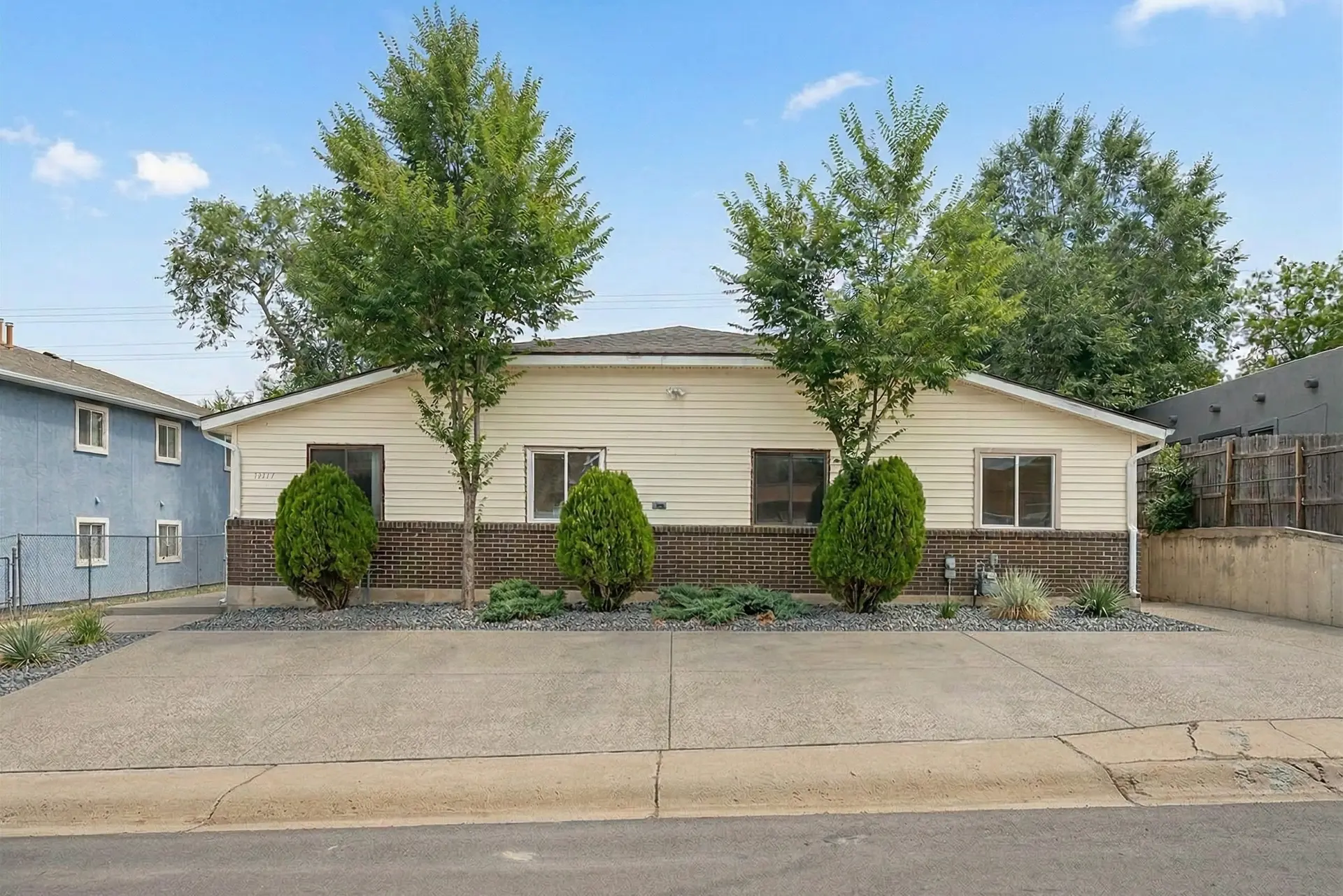
Duplexes are where efficiency meets leverage, offering two rental income streams without paying double the price of two single-family homes, making them a smart, cost-efficient move in rental property investing. Professional investors gravitate toward multi-family properties because they're valued based on income, not comparable sales. This means you can force appreciation by increasing rents or reducing expenses.
Why Duplexes and Triplexes Generate More Income
Duplexes and triplexes hit the sweet spot for individual real estate investors who want scale without jumping into full-blown commercial territory. These small multifamily properties still qualify for residential financing, which usually comes with better terms than the commercial loans required for five-plus-unit buildings.
Financing Options Real Estate Professionals Use For Rental Properties
Traditional bank financing works well for 2-4 unit properties since they're classified as residential. FHA loans allow you to buy up to four units with just 3.5% down if you'll live in one unit. This "house hacking" strategy lets you start building a portfolio with minimal capital.
Build-To-Rent As A Long-Term Type Of Real Estate Investment
Build-to-rent communities are where modern rental strategy meets scale. These purpose-built rental neighborhoods blend the space and privacy of single-family homes with the efficiency, pricing power, and property management discipline of multifamily real estate investment.
Developers didn’t stumble into this trend; they followed demand. There’s a massive group of renters who want homes with yards, garages, and breathing room but aren’t ready or able to buy. Build-to-rent fills that gap with new construction, modern amenities, and professionally managed operations, which is why occupancy in strong rental markets often stays extremely high.
Why Build-To-Rent is Desirable
The economics favor rentals over one-off home sales, especially at scale. Developers can build dozens or hundreds of near-identical homes efficiently, control operating costs, and lock in long-term rental demand.
Key advantages include:
- Economies of scale from building 50–200 homes at once
- Stronger rental demand from families priced out of homeownership
- Higher-quality housing stock with fewer early maintenance issues
- Consistent rental income driven by longer tenant stays
- Professional property management baked into the model
Instead of chasing short-term sales margins, build-to-rent communities generate ongoing income properties that perform across market cycles.
Stability And Long-Term Performance
Build-to-rent communities tend to attract tenants who stay longer than traditional apartment renters, which helps reduce turnover costs and smooth cash flow. With leasing, maintenance, landscaping, and operations handled at scale, these properties function more like institutional-grade rental investment properties than mom-and-pop rentals.
For investors focused on durability rather than constant hands-on management, build-to-rent offers a compelling type of real estate investment with predictable operations and strong fundamentals.
How Investors Access Build-To-Rent Opportunities
Buying an entire build-to-rent property outright isn’t realistic for most individual investors, but access has expanded.
Common entry points include:
- Real estate investment trusts focused on single-family rental portfolios
- Fractional ownership platforms that provide exposure to professionally vetted properties
- Marketplaces that let investors compare rental yields, cash flow, and property appreciation across different rental strategies
Imagine having a backstage pass to the real estate market without ever hauling a toolbox or chasing tenants, that’s what mogul is for investors. It gives you access to professionally vetted rental investment properties with real data, underwriter insights, and deal-level breakdowns so you can compare rental yields, cash flow, and property appreciation like a pro. You don’t have to own or manage anything to make smarter choices, the platform puts the analytics in your corner. That’s how investors flip uncertainty into strategy instead of guesswork.
Real Estate Investment Trusts And Hands-Off Rental Income
Real estate investment trusts let investors tap into income-producing real estate without ever holding the keys, fixing a toilet, or chasing a tenant for rent. Instead of buying rental properties outright, investors buy shares in trusts that own and operate income-producing real estate, from apartments to large residential portfolios. By structure, these trusts distribute the majority of taxable income back to shareholders as dividends, making them a popular type of real estate investment for hands-off exposure.
The appeal comes down to access and flexibility. REITs trade like stocks, which means investors can add real estate to their investment portfolio without dealing with property management, tenants, or long holding periods. That liquidity is rare in real estate and especially attractive in a fast-moving market.
Why Investors Use REITs
REITs strip real estate down to the essentials: capital in, income out, no landlord duties attached.
Key advantages include:
- Exposure to rental properties without direct ownership
- Professional management teams running day-to-day operations
- Liquidity compared to traditional rental investments
- Diversification across multiple properties and markets
- Dividend distributions tied to rental income performance
For investors who want real estate exposure without managing rental business operations, REITs remain one of the cleanest entry points.
REITs Versus Direct Rental Property Investing
REITs and direct rental ownership play very different games. REIT investors trade control for convenience, while property owners trade liquidity for hands-on influence over cash flow and property value.
Broadly speaking:
- REITs offer simplicity and diversification, but limited control
- Direct rental property investment offers greater upside potential, but requires active decision-making
- Small-scale ownership and fractional models aim to blend both approaches
This is where newer rental investment platforms sit between the extremes. Instead of buying public REIT shares or managing a rental property solo, investors can access professionally vetted properties, review rental income and expenses, and compare rental yields, cash flow, and property appreciation across markets. Some portfolios have reported average annual performance above traditional REIT benchmarks, though outcomes vary by market, strategy, and timing.
REITs still play a role, but for investors asking what type of rental property is most profitable, they’re increasingly just one option on a much broader real estate investment menu.
Best Places To Buy Rental Property In 2026
The best places to buy rental property in 2026 aren’t a mystery; they’re patterns. Strong rental markets share the same DNA: population growth, job creation, landlord-friendly rules, and entry prices that still make the math work. Texas metros like Austin, Dallas, and Houston stay in the spotlight thanks to employment growth and sustained rental demand.
The Florida rental scene reads like a cheat code for investors: population growth, migration, tourism, and persistent housing shortages stack demand in your favor. According to Realtor.com’s deep dive on the Florida real estate investment market, loosening inventory and steady renter inflows are reshaping opportunities across the state. That combo keeps rental properties attractive in 2026, especially when demand meets affordability and strong fundamentals.
Markets Driven By Job And Population Growth
If you want consistent rental income, follow the jobs. Employment growth fuels housing demand, and housing demand fuels pricing power.
High-growth metros investors keep watching:
- Austin, Dallas, and Raleigh for tech and professional services expansion
- Nashville and Phoenix for diversified job growth and in-migration
- Charlotte, Boise, and Las Vegas for above-average population growth
- Secondary cities offering big-city amenities with lower entry costs
These markets often deliver stronger occupancy, higher rental prices, and better long-term property appreciation than saturated coastal cities.
Affordable Entry Points With Strong Rental Demand
Some of the most profitable rental properties aren’t flashy; they’re efficient. Markets with lower purchase prices and strong rent-to-price ratios often deliver the best cash flow.
Cash-flow-friendly markets include:
- Memphis, Birmingham, and Cleveland with affordable home prices
- Indianapolis and Kansas City combine stable job markets with demand
- Midwestern cities offer lower competition and consistent rental income
In these areas, buying the right property type can unlock higher rental yields, making them attractive for investors building diversified rental investments without overextending capital.
For investors asking what type of rental property is most profitable, the answer often depends less on the property itself and more on choosing the right market where demand, pricing, and regulation all line up.
Choosing The Right Property Type For Your Goals
Choosing the right type of rental property isn’t about copying someone else’s playbook. It’s about aligning rental strategy, risk tolerance, and time commitment with what you actually want out of real estate investing. Cash flow chasers, long-term builders, and hands-on operators all win differently, and the property type you choose decides which game you’re playing.
Here’s how different investor profiles typically line up:
- Stability-focused investors lean toward single-family rental properties in established suburbs
- Cash-flow-driven investors target small multifamily and rental investment properties with multiple units
- Growth-oriented investors look for markets with strong rental demand and property appreciation
- Higher-risk investors gravitate toward short-term rentals in tourism-heavy rental markets
The most profitable property for one investor can be the wrong move for another. The goal isn’t to chase returns; it’s to choose a profitable type of rental that fits your tolerance for volatility and decision-making.
Matching Investment Properties To Your Budget
Budget sets the boundaries, but strategy decides how far your capital actually goes. Different investment properties unlock different opportunities depending on how much you’re deploying and how concentrated you want your real estate portfolio to be.
Using property calculators and data-driven platforms helps investors compare rental income and expenses, rental yields, and return on investment before committing capital, which matters even more when capital is limited.
Active Versus Hands-Off Management Styles
Not all rental property investing demands the same level of involvement. Some strategies reward hands-on control, while others prioritize efficiency and scalability.
Key differences include:
- Hands-on approaches where investors control tenants, pricing, and property decisions
- Professionally managed setups where leasing, maintenance, and operations are handled for a fee
- Remote investing models using technology for rent collection, maintenance coordination, and reporting
Seasoned investors don’t force a strategy that doesn’t fit their lifestyle. They choose the right property type and management structure that lets them scale rental investments without burning out or bottlenecking growth.
At the end of the day, the best rental property investment isn’t the loudest one online. It’s the one that aligns with your goals, your time, and how you want to build wealth through real estate.
Putting The Strategy To Work
So, what type of rental property is most profitable? The honest answer hasn’t changed: the one that matches your goals, your risk tolerance, and the rental market you’re playing in. Short-term rentals can drive higher gross rental revenue in the right cities, small multifamily properties shine for cash flow and scale, and single-family homes remain a reliable foundation for long-term real estate investment and property appreciation. There’s no universal winner, only smarter fits.
This is where execution separates real investors from armchair analysts. Platforms like mogul give investors access to professionally vetted rental investment properties, real-time data, and tools to compare rental yields, cash flow, and income properties across markets. If you’re serious about building a diversified real estate portfolio without managing every moving part, now’s the time to explore current listings, learn how fractional investing works, and see what investors are earning.
Disclaimer: The information provided in this guide is for educational purposes only and does not constitute financial, tax, or legal advice. Always consult with a licensed professional before making any financial or investment decisions.
Frequently Asked Questions (FAQ):
What Type Of Rentals Make The Most Money?
The rentals that make the most money usually combine strong rental demand with efficient cost structures. Small multifamily properties benefit from multiple income streams under one roof, which improves cash flow and reduces per-unit expenses. Short-term rentals can also outperform in high-demand markets, but they come with higher volatility and operational complexity. The most profitable rental properties tend to sit in growth markets where income, population, and housing demand are all moving in the same direction.
How Do Investors Evaluate Tenant Affordability When Pricing Rentals?
Investors often evaluate tenant affordability by comparing rental prices to local income levels and employment stability. A common benchmark is ensuring tenants earn multiple times the monthly rent, which helps reduce default risk and turnover. While affordability guidelines vary by market, understanding local wage trends and rental demand is critical for setting sustainable pricing. Strong affordability supports occupancy and long-term rental income stability.
What Is The 2% Rule for Rental Properties?
The 2% rule is a quick filter that compares the monthly rent to the purchase price to estimate potential cash flow. If a property rents for 2% of its price each month, it may signal strong rental income potential. In today’s real estate market, hitting 2% is rare in most metro areas, which is why many investors now use it as a rough starting point rather than a decision-maker. Real analysis still comes down to expenses, net operating income, and return on investment.
Which Property Is Best For Rental Income?
Properties that match tenant demand tend to deliver the most consistent rental income. One- and two-bedroom units appeal to young professionals, while three-bedroom homes attract families seeking stability and longer lease terms. Small multifamily properties stand out for scalable income because they generate multiple rents from a single asset. The best rental property investment balances demand, operating costs, and long-term property value.
Which Property Types Are Projected To Perform Best In 2026?
In 2026, short-term rental and Airbnb-style investment properties continue to attract investor interest in markets where tourism, business travel, and regulatory conditions align. Performance varies widely by city, making market selection and local rules more important than property type alone. Investors increasingly focus on data-backed short-term rental markets rather than broad national trends. Execution, not prediction, ultimately drives outcomes.