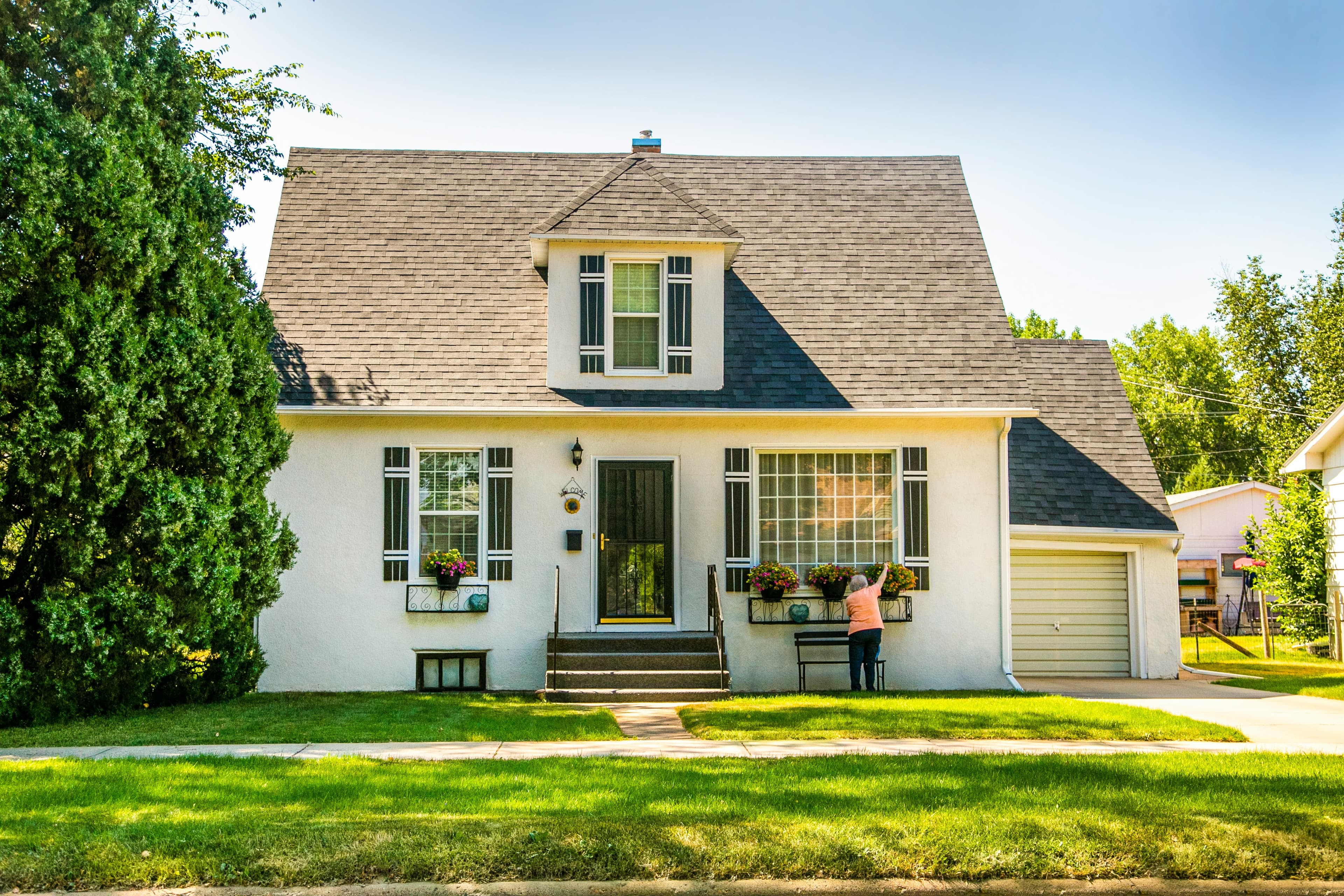
Appreciation in Real Estate: Understanding How Property Values Grow
Definition of Appreciation
Appreciation in real estate refers to the increase in the value of a property over time. This increase can result from various factors, including market demand, economic conditions, property improvements, and location dynamics. Appreciation is a key concept in real estate investing because it directly affects the profitability of a property when it is sold. Unlike cash flow, which generates immediate income, appreciation provides long-term value growth that can significantly boost an investor's overall returns.
Investors often look at appreciation as a way to build wealth passively, leveraging market trends and strategic property management to maximize the property’s value over time. According to the Federal Housing Finance Agency (FHFA), U.S. home prices have risen at an average annual rate of about 5% since 1991, highlighting the consistent role of appreciation in real estate investing.
Types of Appreciation
1. Natural Appreciation: This occurs due to general market conditions, such as increased demand for housing in a particular area, population growth, or overall economic improvement. For instance, cities experiencing a tech boom, like Austin or Raleigh, often see natural appreciation as more people move in, driving up property prices. In 2021, Austin's home prices saw a 40% increase year-over-year due to high demand and limited supply.
2. Forced Appreciation: This type of appreciation happens when the owner actively increases the property's value through improvements, such as renovations, upgrading amenities, or enhancing curb appeal. For example, remodeling a kitchen, adding a bathroom, or upgrading to energy-efficient systems can lead to a higher property valuation. According to Remodeling Magazine, homeowners can expect to recoup approximately 60-70% of their renovation costs through increased property value.
3. Inflation-Driven Appreciation: Real estate can also appreciate due to inflation, as the cost of goods and services rises over time. This type of appreciation means that even without any physical changes or market demand shifts, the nominal value of a property increases simply because of inflationary pressures in the economy. Historically, during periods of high inflation, such as the 1970s, real estate values surged as investors sought to protect their purchasing power.
How to Calculate Appreciation
To calculate appreciation, you compare the current value of a property to its original purchase price:
Appreciation = ({Current Value} - {Original Purchase Price} / {Original Purchase Price}) * 100
This formula helps investors quantify the percentage growth in a property’s value over a given period.
Example Calculation
Scenario: Suppose an investor buys a single-family home in Phoenix, Arizona, for $300,000. After five years, due to the area’s growing popularity and economic development, the property is now worth $400,000.
Using the appreciation formula:
({$400,000 - $300,000} /{$300,000}) * 100 = 33.3%
This 33.3% appreciation reflects the property’s increased value over the five-year period, indicating a successful investment in a rapidly growing market.
Factors That Influence Real Estate Appreciation
1. Location: Properties in desirable locations, such as those with access to good schools, low crime rates, or proximity to employment hubs, tend to appreciate faster. Waterfront properties, urban centers, and areas with scenic views are also prime locations that drive appreciation. A study by Zillow found that homes near top-rated schools appreciate at an average rate of 1.5 times faster than homes near lower-rated schools.
2. Economic Growth: Strong job markets, wage increases, and economic development in an area can lead to higher demand for housing, pushing property values up. Cities experiencing major infrastructure projects, like new airports or tech parks, often see significant appreciation. According to the National Association of Realtors, job growth accounts for about 70% of home price appreciation.
3. Supply and Demand: Limited housing supply coupled with high demand leads to appreciation. For example, in cities with strict zoning laws that restrict new construction, existing properties often see rapid value increases. San Francisco, with its strict zoning and building regulations, has consistently ranked among the top U.S. cities for home appreciation rates over the past two decades.
4. Interest Rates: Lower interest rates make borrowing cheaper, increasing buyer demand and driving up property prices. Conversely, higher interest rates can dampen demand and slow appreciation rates. The Federal Reserve reports that a 1% decrease in mortgage rates can boost home prices by up to 10% in some markets due to increased buyer affordability.
5. Neighborhood Developments: New amenities, such as shopping centers, parks, or improved public transport, can significantly boost a property's value. A previously average neighborhood can become highly sought after with the right developments. The Urban Land Institute notes that properties near new transit lines see a 5-20% increase in value compared to properties without such access.
6. Market Cycles: Real estate markets experience cycles of boom and bust. During boom periods, properties can appreciate quickly, while during downturns, appreciation might slow or even reverse temporarily. The Case-Shiller Home Price Index showed that U.S. home prices nearly doubled between 2012 and 2022, reflecting a long boom cycle post-Great Recession.
The Role of Leverage in Enhancing Appreciation
Leverage, the use of borrowed funds to finance the purchase of a property, can amplify the impact of appreciation on an investor’s returns. When you purchase a property using leverage, such as a mortgage, you only need to invest a fraction of the property's value upfront while benefiting from the entire property’s appreciation.
Example of Leverage Impact on Appreciation:
Suppose an investor purchases a property worth $500,000 using a 20% down payment of $100,000. If the property appreciates by 20% over five years, its value increases to $600,000. The $100,000 appreciation now represents a 100% return on the initial cash investment, rather than just 20%, thanks to the leverage used.
Leverage-Enhanced Return = {Appreciation Gain} / {Initial Cash Investment}} = {$100,000} / {$100,000} = 100%
Leverage magnifies the investor's returns on appreciation, which is a major reason why real estate investors favor borrowing as a strategy. While it increases potential returns, it also comes with higher risks, such as increased debt obligations during downturns.
mogul’s Role in Leverage and Appreciation:
Platforms like mogul provide investors with accessible opportunities to invest in properties with lower upfront costs, allowing them to benefit from appreciation without the traditional high barriers to entry. Through fractional ownership, mogul enables investors to participate in real estate investments with as little as $250, leveraging the power of shared equity and appreciation. This model democratizes real estate investing, making it possible for more people to benefit from property appreciation, even without full ownership or the need to take on substantial personal debt.
Real-World Examples of Appreciation
Example 1: Urban Redevelopment
An investor buys a condo in a historically underdeveloped part of Washington, D.C., for $250,000. Over the next decade, the city invests heavily in revitalizing the area, adding new restaurants, parks, and improved public transportation. The increased desirability raises property values, and the condo appreciates to $600,000. The appreciation percentage is:
Appreciation = {$600,000 - $250,000} / {$250,000} * 100 = 140%
The significant appreciation reflects the impact of urban redevelopment and strategic public investments.
Example 2: Property Improvements
An investor purchases an older four-unit apartment building in Chicago for $800,000. They spend $200,000 upgrading the units with modern kitchens, new flooring, and energy-efficient windows. After the renovations, the property was reappraised at $1.2 million.
The appreciation from forced improvements is calculated as:
Appreciation = {$1,200,000 - $800,000} / {$800,000} * 100 = 50%
The forced appreciation showcases how targeted improvements can significantly enhance property value, providing substantial returns on investment.
Advantages of Real Estate Appreciation
1. Wealth Building: Appreciation is a powerful wealth-building tool. Unlike rental income, which is taxed as ordinary income, the gains from property appreciation are usually realized upon sale and may be taxed at favorable capital gains rates. According to the IRS, long-term capital gains tax rates are lower than ordinary income tax rates, making appreciation a tax-efficient way to grow wealth.
2. Leverage Potential: Investors can amplify the effects of appreciation by using leverage, such as a mortgage. For example, if you put 20% down on a property that appreciates 30%, your actual return on the invested cash can be significantly higher than 30%. The National Association of Real Estate Investment Trusts (NAREIT) reports that leveraging can increase the return on equity by up to 50% in appreciating markets.
3. Hedge Against Inflation: Real estate often appreciates faster than inflation, making it an excellent hedge. As inflation rises, so do property values and rental incomes, preserving purchasing power and generating real returns. Data from the Bureau of Labor Statistics shows that, on average, home prices outpace inflation by about 2-3% annually.
4. Increased Equity: As the property appreciates, so does your equity. Increased equity provides financial flexibility, allowing you to refinance, take out home equity loans, or sell the property for a profit. Home equity loans, often offered at lower rates, provide access to funds that can be reinvested or used for other financial needs.
Limitations of Appreciation
1. Market Volatility: Real estate appreciation can be unpredictable, especially during economic downturns. Investors relying solely on appreciation can find themselves at risk if market conditions change unfavorably. During the 2008 financial crisis, U.S. home prices fell by nearly 30% in some regions, underscoring the volatility of relying on appreciation alone.
2. High Entry Costs: Properties in high-appreciation areas are often expensive upfront, making them less accessible to new investors. The cost of entry, along with ongoing expenses, can be a barrier. For instance, coastal markets like San Francisco and New York have median home prices that are more than double the national average, requiring substantial capital for entry.
3. Long-Term Horizon: Appreciation typically unfolds over a longer time frame. Investors must be prepared for a multi-year holding period, especially in markets where rapid value growth is not guaranteed. According to a study by CoreLogic, homes typically appreciate by about 4-5% annually over a 10-year period, but short-term fluctuations can vary widely.
4. Lack of Liquidity: Real estate is not a liquid asset, and investors cannot easily access the gains from appreciation without selling or refinancing, which involves additional costs. Unlike stocks, which can be sold quickly, real estate transactions can take months and involve significant fees.
Conclusion
Appreciation is a fundamental component of real estate investing that can significantly boost overall returns. Understanding the factors that drive appreciation and strategically investing in properties with high potential for value growth can be key to building long-term wealth. Leverage plays a pivotal role in enhancing returns, allowing investors to maximize gains from appreciation. Platforms like mogul make it easier for everyday investors to participate in real estate, leveraging appreciation with lower entry points and shared investment structures. While appreciation comes with its risks, its benefits make it an attractive avenue for investors looking to maximize the financial gains from their real estate portfolio.
Interested in real estate investing? Get started with mogul today for as little as $250.